Platform companies have dominated digital coordination for two decades—centralized intermediaries connecting users and capturing value through algorithmic matching and data monetization. Yet emerging models suggest alternatives: federated networks enabling coordination without central control, cooperative platforms governed by users, and open protocols supporting diverse service providers. These alternatives represent fundamentally different approaches to digital organization.
The Platform Model and Its Dominance
Digital platforms—Uber, Airbnb, Facebook, Amazon—created unprecedented value by solving coordination problems. Thousands of drivers needed to connect with passengers willing to pay for rides. The platform solved this matching problem at scale while extracting value through commission and data monetization.
Platform success derived partly from network effects: as more users joined, platform value increased, attracting more users. This dynamic created winner-take-most markets where dominant platforms captured most value and users lacked alternatives. Platform companies became extraordinarily wealthy and influential, fundamentally reshaping industries and society.

Limitations of Platform Governance
Platform dominance created governance problems. When single companies controlled markets, users and workers had limited leverage. Platform companies made unilateral decisions about rules, algorithms, and revenue sharing. Users had no voice in governance yet depended on platforms for economic or social access.
Furthermore, platforms captured data from billions of users, creating unprecedented information asymmetry and raising privacy concerns. Data monetization became platform business model, incentivizing maximum data collection rather than user privacy protection. When platforms faced pressure to moderate content or address misuse, they controlled moderation standards without meaningful stakeholder input.
Federated Alternatives
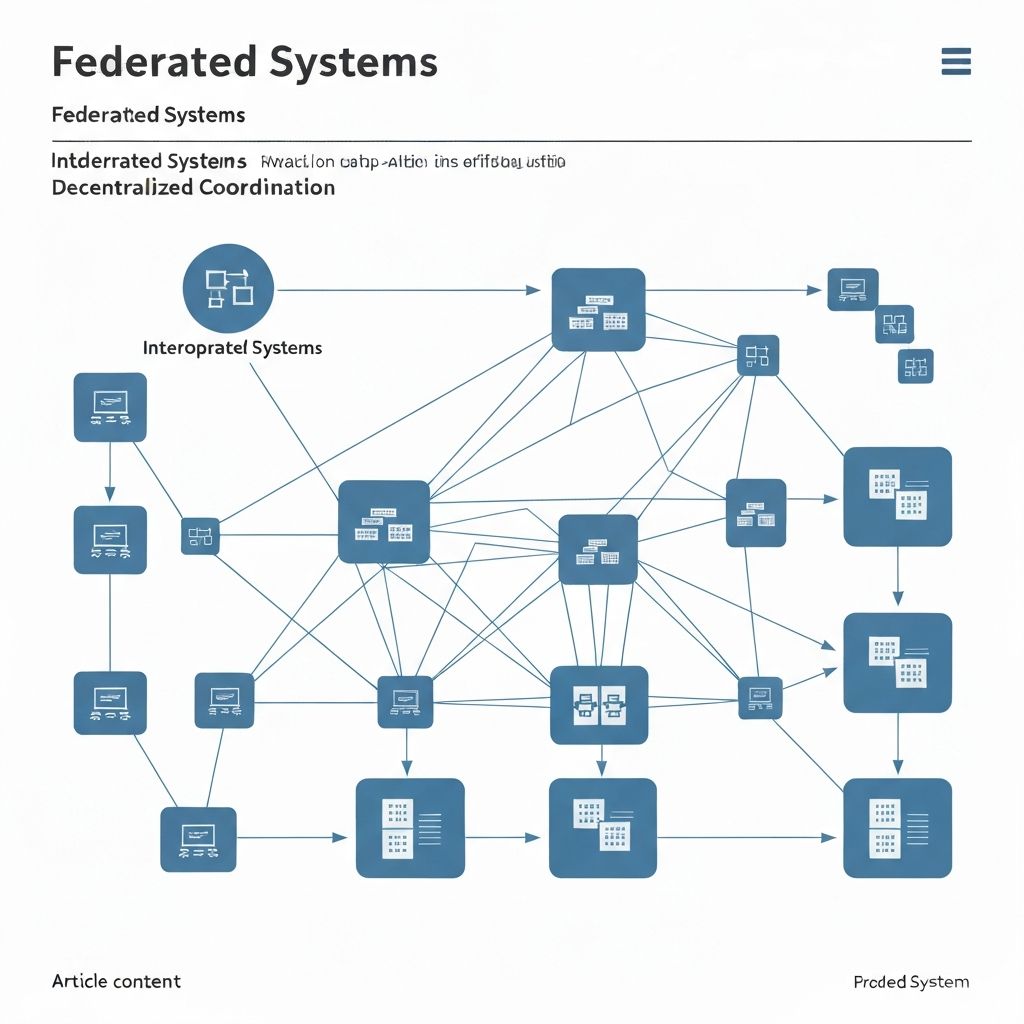
Federated networks offer alternative coordination model. Rather than central platform connecting all users, federated systems consist of independent servers operated by different entities. Users choose server based on governance they prefer. Servers connect to broader network through standardized protocols, enabling communication across federated boundaries.
Mastodon, a decentralized social network, exemplifies this approach. Users create accounts on particular servers run by different administrators with varying moderation philosophies. Yet users on different servers can follow each other and exchange messages. This federation maintains benefits of large network while distributing control across multiple governance contexts.
Federated systems distribute power by enabling diverse providers to interoperate, rather than concentrating power in single platform operator making unilateral decisions.
Cooperative and Democratic Alternatives
Cooperative platforms represent different alternative model. Rather than corporations owning platforms and extracting value, cooperatives are owned by workers or users. Governance decisions reflect cooperative principles—democratic participation, equitable value distribution, and stakeholder accountability.
Several ride-sharing cooperatives emerged in response to Uber dominance, enabling drivers to collectively own and govern platforms coordinating ride services. Though smaller than Uber, cooperatives demonstrate that coordination is possible without centralized corporate control. Governance remains more participatory, and value stays with workers rather than corporate shareholders.
Protocol-Based Coordination
Open protocols enable coordination through standardized technical rules rather than centralized platforms. Email, for example, operates through standardized SMTP protocol enabling interoperable service providers. Users can choose email provider, yet communicate with users on any provider supporting protocol.
This protocol-based model prevented email from becoming dominated by single company. Multiple providers compete offering email services, users retain freedom to choose, and no company controls the overall email network. Yet email lacks features centralized platforms enable—rich algorithmic ranking, integrated payment systems, and coordinated recommendation algorithms.
Challenges of Alternatives
Alternative models face real challenges. Federated systems lack centralized coordination, making some services harder to provide. Global recommendation algorithms affecting billions of users are difficult to implement across decentralized infrastructure. Network effects that benefited dominant platforms work against alternatives—why join smaller network with fewer users?
Cooperatives face capital constraints and governance complexity. Raising investment to compete with well-funded corporate platforms proves difficult when value is equitably distributed rather than concentrated with investors. Democratic governance, while principled, can be slower and more contentious than unilateral corporate decision-making.
Emerging Hybrid Models
Rather than pure platforms, cooperatives, or protocols, emerging models blend approaches. Some platforms maintain centralized coordination while distributing governance to stakeholder committees. Others develop open interfaces enabling third-party service providers to build on platform infrastructure. Still others combine protocol standards with optional centralized services.
These hybrid approaches attempt balancing benefits of different models—coordination efficiency of platforms with distributed control of federated systems, with practical recognition that pure alternatives face real challenges.
The Future of Digital Coordination
Dominance of centralized platforms will likely persist in some domains where their capabilities prove advantageous. Yet alternatives will expand as users and workers demand greater voice in platform governance, as privacy concerns drive preference for decentralized approaches, and as technical barriers to alternatives decline.
The choice between platform, cooperative, federated, and protocol-based models represents profound decision about digital futures. Each embodies different values about control, participation, privacy, and value distribution. As alternatives mature and improve, these choices become less technical and more explicitly political—recognizing that questions about how digital coordination should be organized are fundamentally questions about how digital society should be governed.