Across the United Kingdom and beyond, a transformation is unfolding in how cities and municipalities approach digital connectivity. Rather than relying exclusively on private telecommunications providers, civic institutions are designing and deploying their own network infrastructure. This evolution—driven by necessity, policy, and technological change—represents a fundamental shift in how public digital resources are conceived and managed.
From Public Wifi to Municipal Networks
Public wifi hotspots in parks and libraries were early steps toward civic digital infrastructure. Free wireless access provided community benefit but remained limited in scope and capability. What has emerged is more comprehensive: municipality-wide fiber networks, integrated management systems, and long-term infrastructure planning treating connectivity as public utility comparable to water or electricity.
This shift reflects changing understanding of digital connectivity's role in civic life. Access to high-speed internet has become prerequisite for employment, education, civic participation, and economic opportunity. When private markets fail to provide equitable access—particularly in rural areas or lower-income neighborhoods—municipalities increasingly intervene directly.
Technology Enabling Civic Deployment
Municipal network deployment became more feasible as technology costs declined. Fiber optic installation, historically expensive, became more economical as techniques improved and equipment costs fell. Additionally, software-defined networking—managing network infrastructure through programmable interfaces rather than requiring specialized hardware—reduced complexity and cost of management.
Open source networking software accelerated this evolution. Projects providing network operating systems, routing protocols, and management tools enabled municipalities to operate networks without depending on proprietary vendor platforms. This technological democratization meant smaller institutions could compete with large telecommunications providers in network operations.
Governance Models and Public Ownership
How should public networks be governed? Models vary. Some municipalities operate networks directly, employing technical staff and making operational decisions. Others establish municipal utilities with separate governance structures. Still others engage public-private partnerships, combining public funding with private operational expertise.
Each model involves tradeoffs. Direct municipal operation ensures accountability to public process but requires building substantial technical capacity. Separate utilities isolate operations from political cycles but create governance complexity. Public-private partnerships leverage private expertise but introduce profit incentives that might conflict with equitable access goals.
Municipal network development is not simply technical infrastructure deployment—it represents civic choice about how resources should be governed and who benefits from digital connectivity.
Funding and Economic Sustainability
Building public network infrastructure requires significant capital investment. Sources vary: municipal budgets, federal and provincial grants, bond financing, and revenue from users. Sustainability requires ongoing operational funding and network maintenance.
Pricing decisions reflect policy priorities. Some municipalities provide free access, treating internet connectivity as universal service. Others charge usage fees, with lower rates for low-income residents. Revenue generation must balance financial sustainability with equity goals—requiring too much revenue from users may exclude those unable to pay.
Interconnection and Broader Network Integration
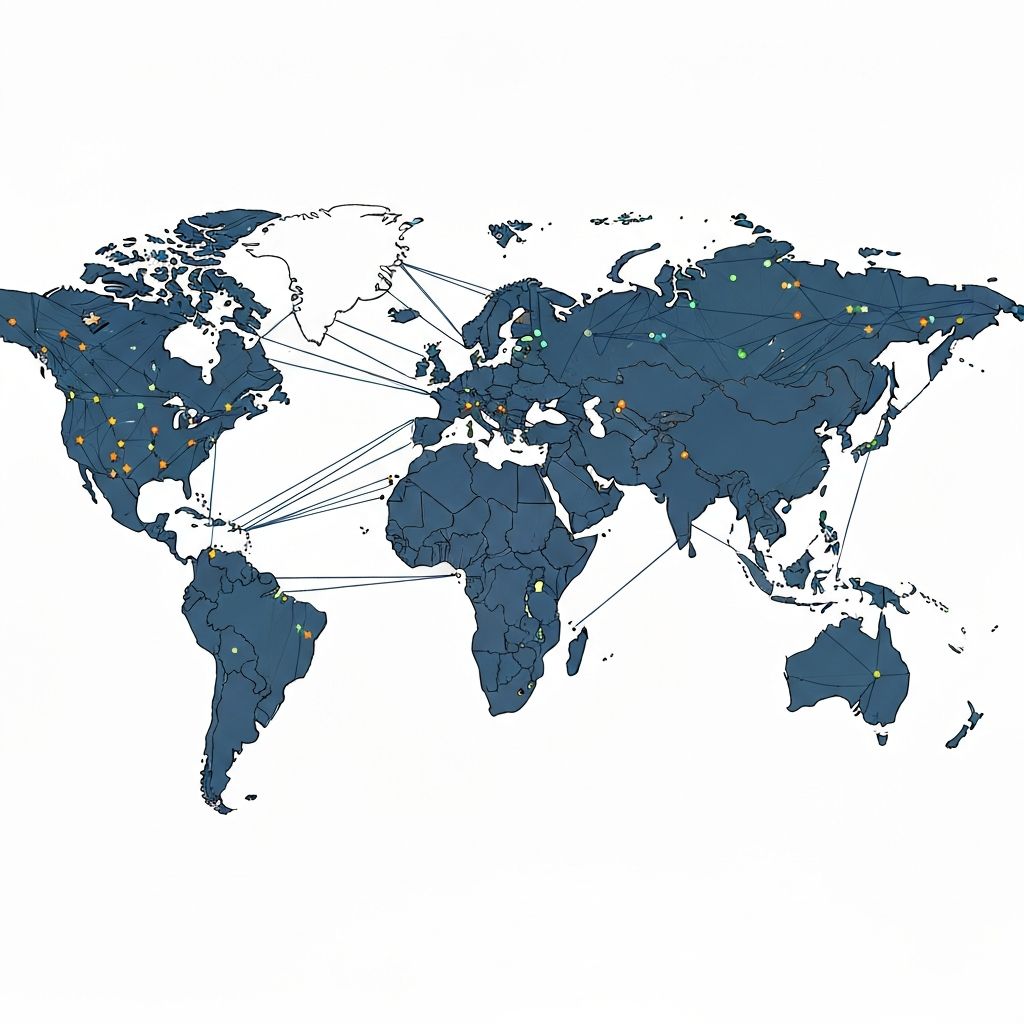
Municipal networks gain significance when they interconnect with regional and national infrastructure. Fiber trunk lines connecting municipal networks to backbone infrastructure enable data to route efficiently across broader networks. This interconnection requires collaboration between municipalities and private network operators, often involving complex business negotiations.
Standards for interconnection become critical infrastructure questions. How should different networks be connected? Who bears costs of interconnection? What technical standards ensure interoperability? These technical questions reflect deeper questions about whose interests are served by network design.
Digital Divide and Equitable Access
Municipal networks emerged partly to address digital divide—disparity in internet access between populations. Rural communities and lower-income neighborhoods often lack competitive internet service options, resulting in higher costs or inadequate service quality.
Municipal networks can bridge these divides, but only if intentionally designed to do so. Network deployment requires informed decision-making about coverage areas, pricing structures, and support services. Some municipalities build networks prioritizing underserved areas. Others focus on downtown business districts where network revenue potential is highest. These choices determine whose digital access improves and whose remains constrained.
Challenges and Resistance
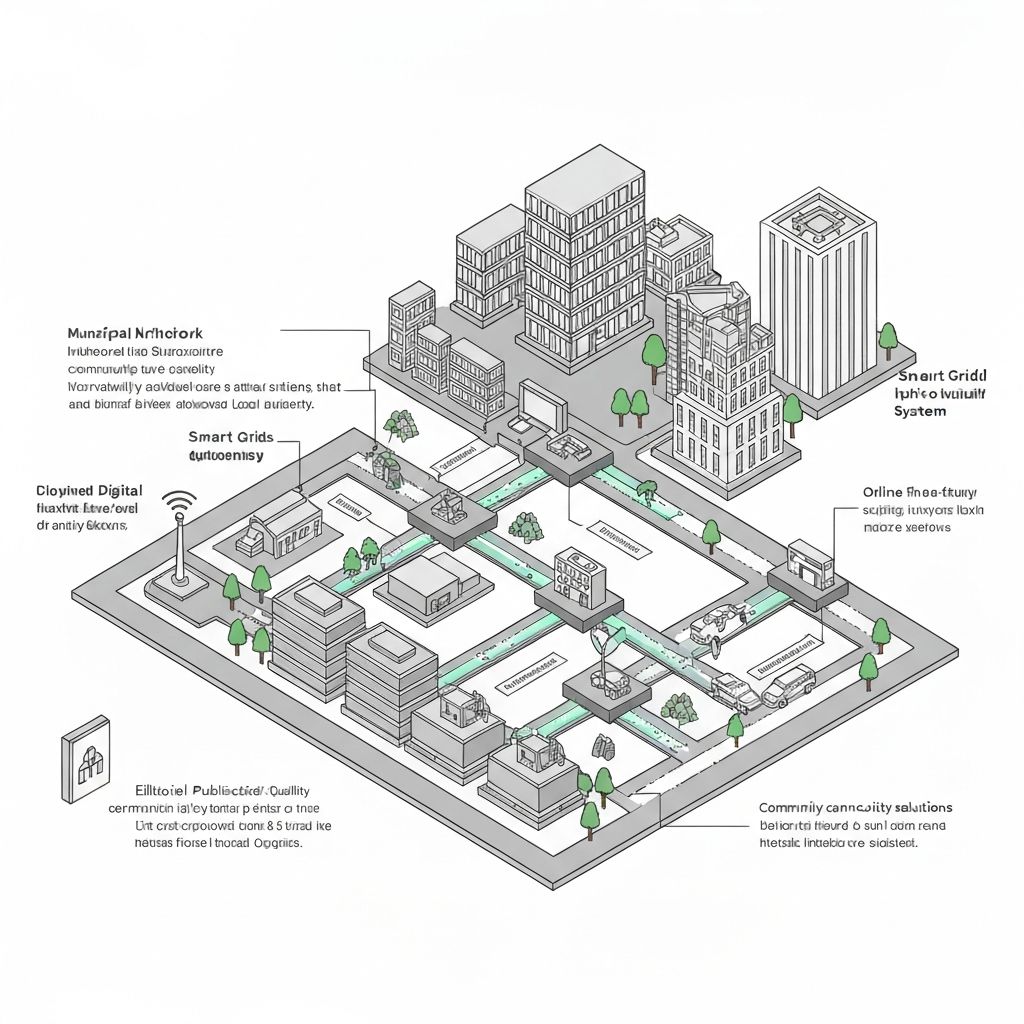
Municipal network deployment faces significant obstacles. Telecommunications companies sometimes resist municipal competition, engaging in regulatory lobbying to restrict public network operations. Infrastructure deployment in existing urban environments faces logistical challenges—obtaining rights of way, coordinating with utility companies, managing construction disruptions.
Technical expertise requirements challenge municipalities lacking substantial IT infrastructure. Operating reliable network infrastructure demands continuous monitoring, security management, and protocol troubleshooting. Outsourcing these functions maintains dependence on external vendors. Developing internal capacity requires sustained investment in personnel and training.
Learning from Global Experiments
Municipalities worldwide experiment with different network models, providing valuable lessons. Seoul's extensive municipal fiber deployment demonstrates technical feasibility of large-scale public networks. Community network initiatives in South America show how grassroots organizations can build connectivity with limited resources. Meanwhile, regulatory challenges in US municipal broadband efforts illustrate how legal frameworks can facilitate or obstruct public infrastructure development.
UK municipalities learn from these experiences while adapting approaches to local contexts. London's neighborhood broadband initiatives, Manchester's fiber deployment, and Liverpool's expanded public digital access all reflect policy commitment to public digital infrastructure, though with varying scope and funding models.
Implications for Digital Governance
Municipal networks represent significant shift in digital infrastructure governance—from treating internet access as purely private commodity to recognizing it as public infrastructure worthy of public investment and governance. This shift has implications extending beyond individual cities.
As public networks develop operational expertise, they can influence broader policy conversations about network architecture, security standards, and equitable access. Public network operators gain voice in technical standard-setting bodies, advocating for features supporting public interest. Municipal networks become models demonstrating alternatives to proprietary, commercial network management approaches.
Yet challenges remain. Ensuring long-term funding, maintaining technical capacity, and achieving equitable coverage require sustained commitment. The quiet evolution of internet architecture in civic spaces continues, but its ultimate trajectory remains uncertain—dependent on ongoing policy choices, technological development, and civic prioritization of public digital infrastructure.